Poured driveways, patios and walks
This suits most homes we see, where the slab is solid but water soaks in and salt shows up along the edges and low spots. We clean it, deal with whatever is driving the salt up and seal the whole surface.
White salt crusting your driveway or patio, or water soaking in every time it rains? We clean it, find the cause and seal it.
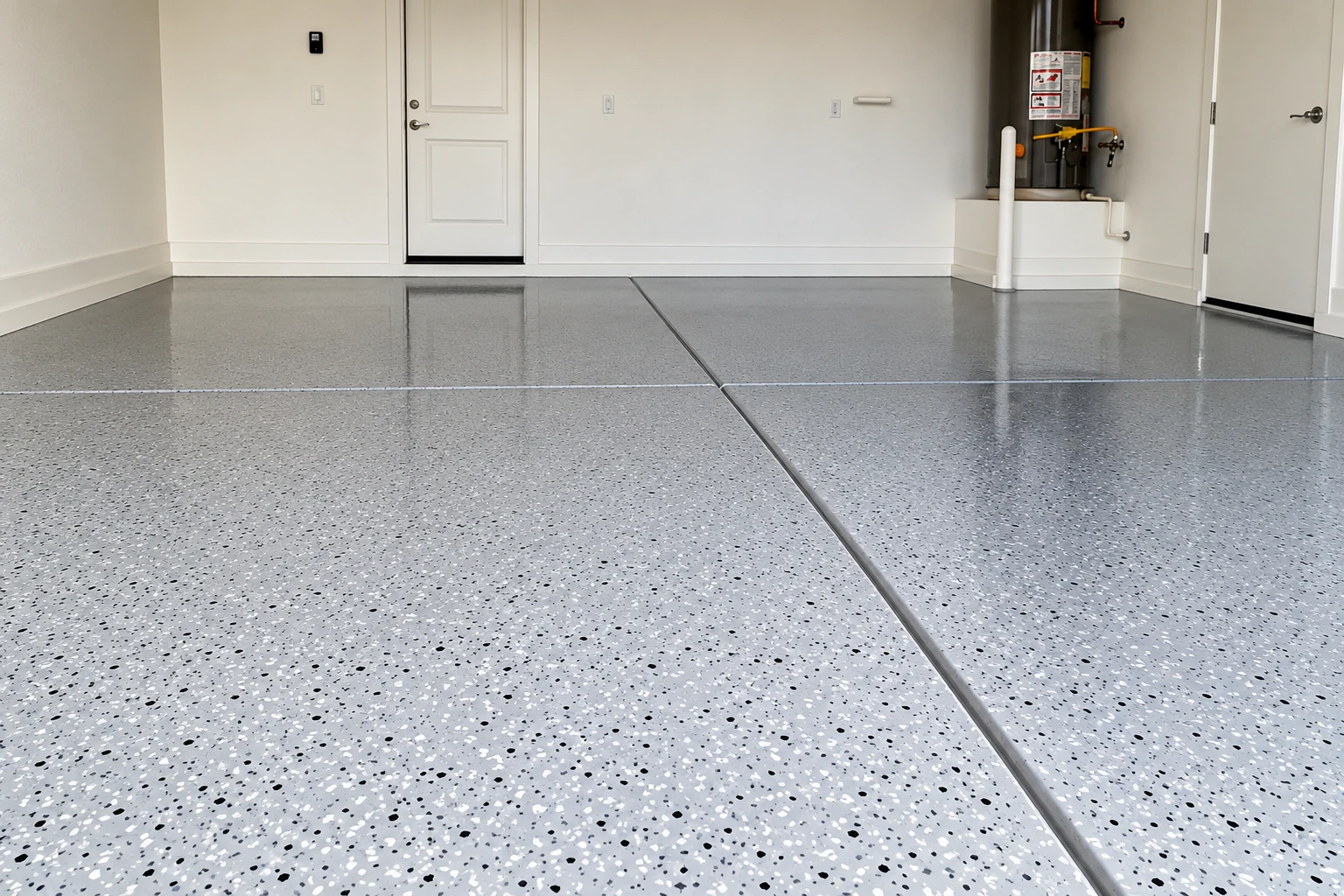
Concrete sealing in Brownsville, TX puts a clear treatment on your driveway, patio, walk or pavers that keeps water from soaking in. That cuts down on efflorescence, the white salt buildup that shows up on concrete and spoils how it looks.
Most people call us when white powder keeps coming back on a driveway or patio, or when the concrete turns dark and stays wet after every rain. The price moves with the size of the surface, whether it's pavers or poured concrete, how much dirt and salt has to come off, and whether something is pushing salts up that has to be dealt with first. The schedule turns mostly on how old the concrete is and on getting it clean and dry before any sealer goes down. If an old coating or a rough, worn top is in the way, concrete grinding and surface preparation may come before the sealer. At the estimate I look at the slab, ask how you use it and write up what I'd do and why.
I'm the one who comes out to look at your concrete and figure out what it can take. Our crew lead and installers do the cleaning and sealing, and I stop by while the work is going on, so you know who's looking after your job.
I learned this trade on grinders and coating crews after years of watching crews get sent to floors nobody had looked at first. We've been in business since 2020, and I'd still rather talk you out of a sealer than put one on concrete that can't hold it.
We're licensed and insured. Before work starts, I tell you what comes first, what needs to be moved off the surface and when the crew will show up, so nobody's left wondering what happens next on the day.
Call (956) 505-5381 or send the contact form. It helps to have the size of the surface, whether it's pavers or poured concrete, how old it is and whether salt is showing, because that's what I plan the visit around.
We reply within one business day. Estimates are free, done at your property and come with no pressure and no obligation. I come out, look at the slab, ask how you use the space and write up what I'd do and why.
Salt buildup can usually be taken off by dry brushing the surface and then flushing it with plenty of clean water, and in Brownsville that rinse depends on the water rules in force. Brownsville Public Utilities Board posts the current drought stage on its drought and watering rules page, and it has listed Stage 1, which asks for voluntary conservation. The city has reported that some Stage 2 restrictions prohibit washing sidewalks and driveways, so we check the stage before we schedule the cleaning.
The city's building permits and inspections office processes permits and reviews plans for remodeling and new construction, and the city also runs a stormwater program that works to find and stop illicit discharges. Whether sealing your concrete needs a permit isn't something I'll guess at, so we check with the office that covers your address before work starts, and if it does, we tell you and work through the paperwork with you. We're based in Brownsville and work in the cities around it, including San Benito and Harlingen, where we see the same kind of driveways, patios and paver walks with salt coming up. If your city isn't on our site, call and ask.
Applying a penetrating concrete sealer usually costs about $0.90 to $1 per square foot across the US, and that's the going rate for the sealer application, not our price. Your job moves with the size of the surface, how much cleaning it needs first and whether the cause of any salt buildup has to be dealt with before sealing. I'll write up what I'd do when I see it.
One coating maker's bulletin gives the concrete industry standard as at least 28 days before a polymer coating goes on, or 56 days for concrete made with fly ash, a material some mixes use. The same bulletin says the concrete must be sound, durable and, in most cases, dry during installation and cure. Plan sealing on a new driveway or patio for after that wait.
That white crust is usually efflorescence, salts carried up through the concrete by water and left on top when it dries. Sealing keeps water from getting into the concrete, which cuts down on it, but the salt that's already there gets cleaned off first.
It can, because salts may work up through a coating such as an acrylic finish or paint over concrete and spoil how it looks. That's why we look for where the salt is coming from before sealing, as covered above. If an old paint or finish is already lifting, stripping it off may need to come first.
Move cars, planters and furniture off the surface before the crew arrives so we can clean all of it. On pavers, we tie back or cover low branches and plants along the edge so cleaner and sealer don't land on them. Paver cleaning guidance also calls for automatic sprinklers to stay off through cleaning, sealing and drying, so plan to shut yours off.